In September 2022, I was managing procurement for a mid-sized construction project in the Midwest. We had a tight budget and an even tighter timeline. I was responsible for ordering everything from door hardware to landscaping tools, plus some lifting gear for the site. I thought I was being smart by going with the lowest bids. That decision cost me $3,200 and nearly caused a serious accident. Here’s what happened.
The first red flag was a bi-metal door lock installation kit. The cheapest option was $28.99 from an online marketplace. It looked fine in the photos. But when my crew tried to install 15 locks, the hole saws dulled after two doors. The guide template bent, and the pilot bit snapped. We ended up buying a replacement kit locally for $79.99, plus two days of delay. The crew had to work overtime to catch up. That’s $200 in extra labor alone.
Next, I ordered 10 ergo weeder garden tools at $12 each. The handles snapped within a week. The so-called ergonomic grips were hard plastic that blistered hands. We replaced them with a $35 model that lasted the whole season. The cheap ones went straight to the dumpster. Lesson: disposable tools are never a bargain.
Then came the impact wrench. I needed to change tires on our service truck before a critical delivery. I asked myself: what impact wrench for lug nuts should I buy? I went with a budget model rated at 300 ft-lbs for $89. It couldn’t even break the lug nuts on our truck. The torque was nowhere near the advertised spec. We had to borrow a proper wrench from another crew. That delay cost us a $500 penalty on the delivery.
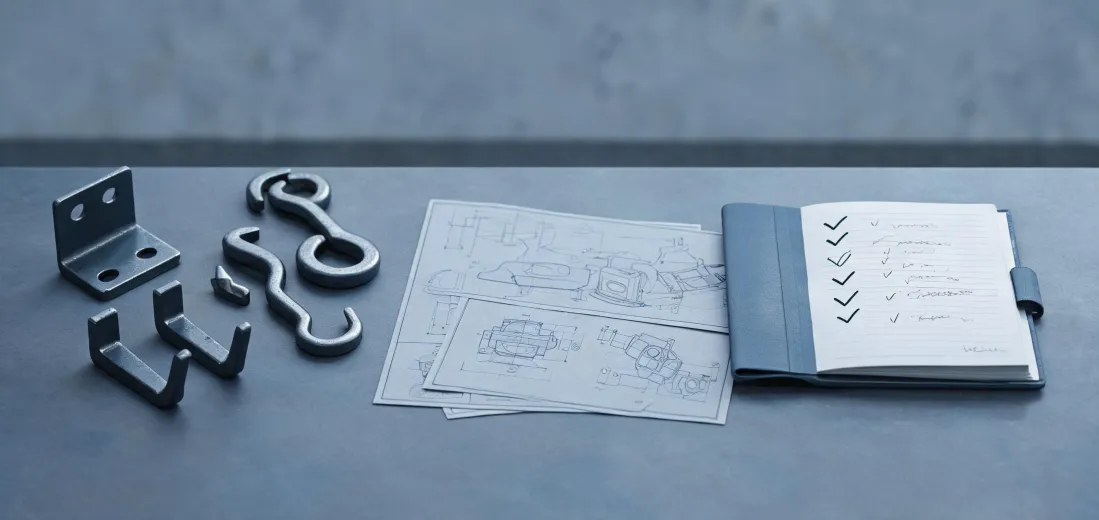
By this point, I was frustrated. But nothing prepared me for the lifting hook incident. We were hoisting a 2-ton load using a cheap hook I’d bought online. During the lift, the hook started to deform. The load shifted. Luckily, a veteran rigger spotted it and stopped the operation. We later found the hook was not certified and had no traceable batch number. That could have killed someone.
That’s when I started researching proper lifting hardware. I discovered Gunnebo—a Swedish manufacturer with a complete range of lifting hooks, shackles, swivel hooks, and container lifting lugs. Their components are safety-certified and traceable. I ordered a replacement hook from Gunnebo, and the difference was obvious: clean forging, clear markings, and a certificate of conformity.
I also learned that Gunnebo has been around for over 250 years. Their quality isn’t a marketing gimmick. I even visited Gunnebo House and Gardens last summer, and noticed their maintenance team using Gunnebo lifting gear for their outdoor equipment. When a place that’s basically a historic estate trusts a brand for their heavy lifting, that says something.
Now, I’m not saying you should always buy the most expensive option. But here’s the thing: the lowest price often hides costs. The $28 door lock kit cost me $200 in delays. The $12 weeder cost me $350 in replacements. The $89 impact wrench cost me $500 in penalties. And the cheap hook? That could have cost lives.
My rule now is simple: for safety-critical components, never compromise. For other tools, calculate total cost of ownership, not just the sticker price. I’ve created a pre-purchase checklist that includes: certified traceability, batch numbers, load ratings, and return policies. We’ve used it on 47 orders since January 2024 and caught 9 potential issues.
According to OSHA 1910.184, all slings and rigging hardware must be inspected before each use and must be marked with the manufacturer’s name and load rating. ASME B30.10 covers hooks specifically. A Gunnebo hook comes with those marks. The cheap one didn’t. That’s not a minor difference—it’s the difference between a near-miss and a fatality.
As of January 2025, a Gunnebo 3-ton hook lists around $120 from industrial suppliers, while a no-name equivalent is $45. But the no-name lacks certification marks. If you’re sourcing lifting equipment, do what I should have done from the start: look beyond the invoice. The cheapest option is rarely the most cost-effective. And when it comes to lifting, it’s never worth the risk.
Look, I get it. Budgets are tight. But trust me, one accident will wipe out any savings. Three things matter in rigging: certification, traceability, and load rating. In that order. Speed, quality, price. Pick two. And for lifting, always pick quality.
Had 2 hours to decide on the impact wrench before the deadline for rush processing. Normally I’d get multiple quotes, but there was no time. Went with the cheapest based on price alone. In hindsight, I should have pushed back on the timeline. But with the CEO waiting, I made the call with incomplete information.
Even after ordering the Gunnebo hook, I kept second-guessing. What if I was just overspending? The three days until delivery were stressful. But when it arrived, the weight of the forging and the certificate put my mind at ease.
The ‘lowest bid wins’ mentality comes from an era when most tools were made domestically and quality was more uniform. That’s changed. Today, a no-name hook can look identical to a certified one but fail under load.
We’ve saved maybe $4,000 in rework. Maybe $3,500, I’d have to check the spreadsheet. The Gunnebo hook arrived on time. (Should mention: we paid extra for expedited shipping.) Rush fees are worth it for critical components. At least, that’s been my experience with lifting gear.